Jharkhand
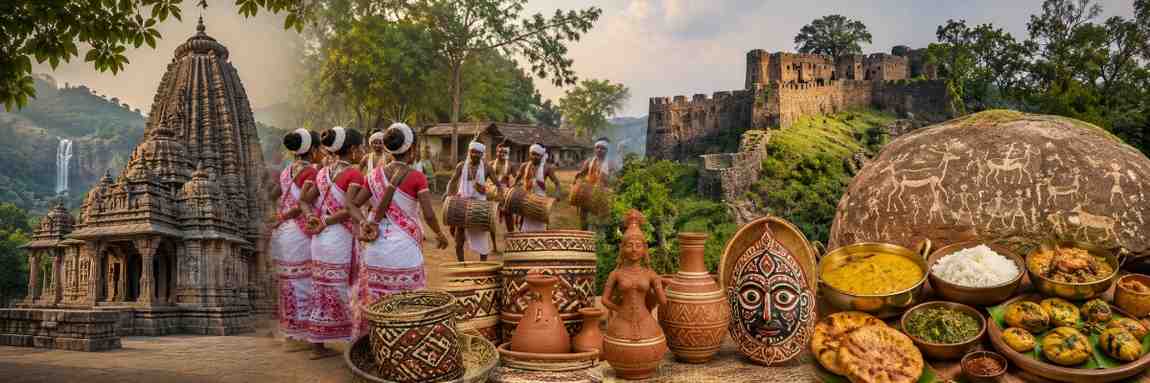
Discover ancient forts, sacred temples, tribal art traditions, archaeological sites, and authentic regional cuisine.
Historical Monuments
Palamu Fort
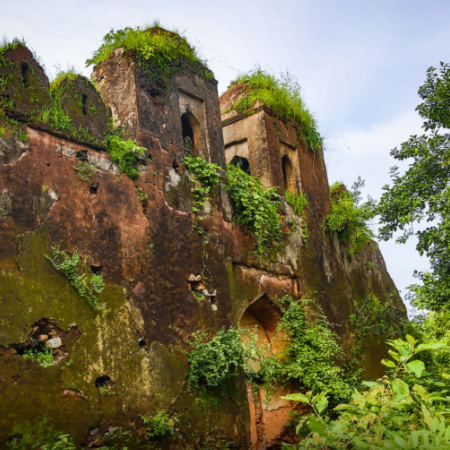
Nestled amid the lush green forests of Jharkhand, Palamu Fort is a historic site known for its rich heritage and scenic beauty. Located near Betla National Park on the banks of the Auranga River, the fort complex consists of two medieval forts – the Purana Kila (Old Fort) and the Naya Kila (New Fort). The older fort, built by the Raksel dynasty, stands on the plains, while the newer hilltop fort was constructed by Chero king Medini Ray during the early Mughal period. The forts display strong defensive architecture with massive gates and walls, along with Islamic-style influences reflecting later Mughal connections.
Navaratnagarh Fort Complex
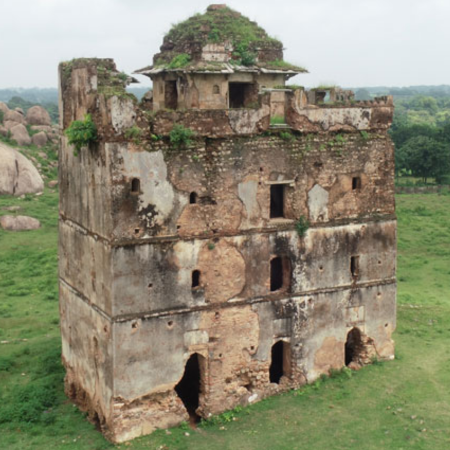
Navratangarh Fort, also known as Doisagarh, is a historic fort located in the Sisai block of Gumla district in Jharkhand. It served as one of the capitals of the Nagvanshi Dynasty after King Durjan Sal (Durjan Shah) shifted the capital from Khukhragarh in the 17th century. Built between 1636 and 1639, the fort was originally a grand multi-storeyed structure surrounded by forests, hills, rivers, and a protective moat. Unlike today, it is believed to have once had nine storeys which gave rise to the name “Navratangarh” (“nine-storeyed fort”). The palace complex included royal courts, treasury rooms, prison cells with underground dungeons, guardrooms, and a special tunnel leading to the queen’s bathing pond. The fort is known for its blend of Indo-Mughal and tribal architectural styles. Constructed using stone blocks, red laheri bricks, and lime mortar, it reflects the advanced craftsmanship of the Nagvanshi period. Nearby monuments such as the Jagannath Temple, Durga Temple, Rani Lukai, Kamal Sahi Palace, Yogi Math, and the Rockcut Shivalinga further highlight the cultural and historical importance of Navratangarh.
Asura Sites
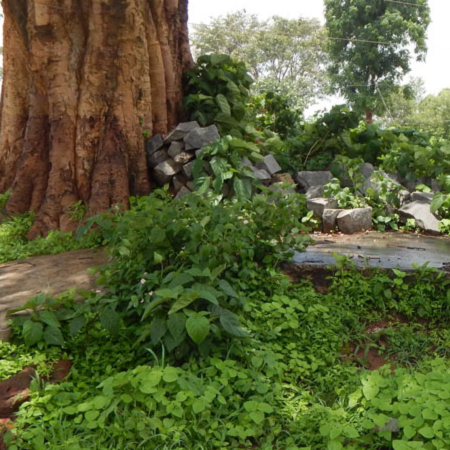
The Asura sites of Jharkhand located mainly in the Khunti and Ranchi districts are important archaeological remains known for iron-smelting and megalithic burial traditions. Protected by the Archaeological Survey of India (ASI), these sites provide evidence of early settlement, pottery-making and burial practices in the Chhotanagpur region. Major sites include Khuntitola Asura Site, where stone burials, pottery and iron objects were discovered; Kathertoli Asura Site, known for red ware pottery and settlement remains; and the sites of Hensa, Kunjala and Saridkel, which preserve traces of ancient habitation and megalithic culture. Together, these sites highlight Jharkhand’s rich prehistoric heritage and the advanced cultural traditions of the Asura people.
Baradari Ruins
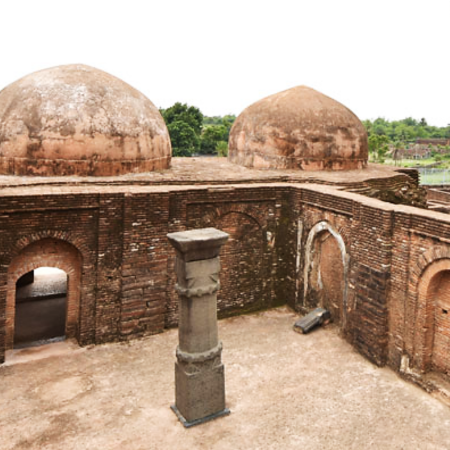
Perched on elevated ground, the Baradari also known as Nageswarbagh, is an impressive medieval structure dating between 1592 CE and 1763 CE. Built on a raised platform, the complex is enclosed by massive brick walls that originally rose to nearly 9 meters in height, with around 5 meters still surviving today.
A gateway at one corner of the enclosure leads to guard rooms, reflecting the fortified nature of the site. Along the inner walls runs a series of apartments, each designed with a small open courtyard intended for women and their attendants. These apartments are connected by a common arched gallery overlooking the spacious central courtyard. Historical accounts mention that a square wooden structure known as the ‘Rang Mahal’ once stood at the centre, although no visible traces of it remain today. The ruins are considered an important example of late medieval architecture and are variously attributed either to Fateh Jung Khan, a rival of Raja Man Singh, or to Mir Kasim Ali, the Nawab of Bengal.
Jama Masjid
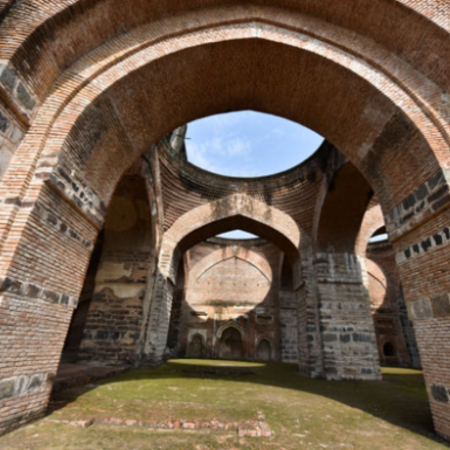
The Jama Masjid at Hadaf, Sahibganj is one of the oldest surviving mosques in Jharkhand and an important example of the Mughal architecture. Built in the last quarter of the 16th century by Raja Man Singh, Governor under Emperor Akbar, the mosque is situated on elevated ground known as “Hadaf,” once part of the historic Rajmahal township. The capital was shifted here from Gaur in 1592 due to the changing course of the River Ganga and a devastating epidemic in 1575.
Locally known as Jami Masjid, the complex originally spread over a vast area now consisting of a grand prayer hall, a spacious courtyard enclosed by high compound walls with arched recesses, and three gateways on the north, south, and east, with the eastern gateway serving as the main entrance. The prayer chamber features a large central hall that appears two-storied from the outside because of its tall windows and continuous parapet. The western wall is decorated with niches and delicate floral stucco motifs, reflecting the elegance of Mughal craftsmanship.
Site of Ruam
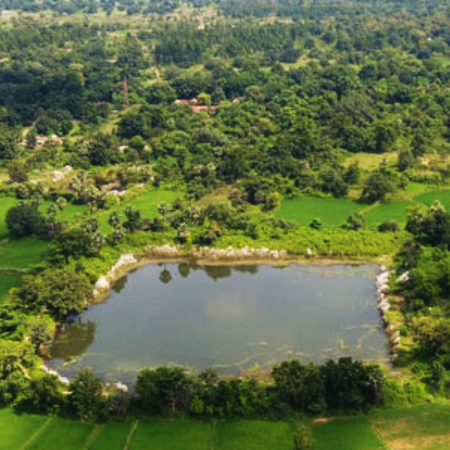
The ancient Fort of Ruam is mentioned in the 1910 District Gazetteer of Singhbhum, identifying it as an important settlement associated with the Sravakas or Jains. According to local traditions, a ruler named King Ruam once governed this area and the place is believed to have derived its name from him. The fort was originally constructed using clay, mud, and earthen ramparts. Today, the site survives as a mound scattered with brick fragments, red ware pottery, and potsherds, indicating the presence of an early settlement. Nearby, there is an old tank along with traces of copper remains, suggesting that Ruam may once have been an important centre for copper smelting and related activities.
Benisagar Ruins
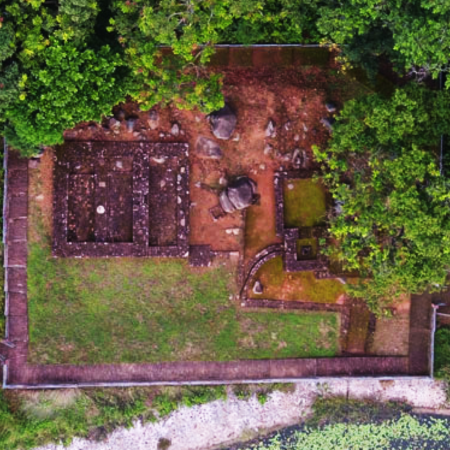
Benisagar, or Benusagar, is an important archaeological site located in the Majhgaon Block of West Singhbhum district, near the Odisha border. The site is named after a large historic tank believed by local traditions to have been excavated by a ruler named Benu Raja. The tank measures approximately 300 m × 340 m and remains a major landmark of the area.
The site is believed to be dated to around the 7th century CE based on sculptural remains. ASI excavations uncovered Panchayatana temple complexes, structural remains, and numerous sculptures of deities such as Surya, Bhairava, Agni, Kubera, Ganesha, and Mahishasuramardini. Temple architectural fragments, Shiva lingas, and carved stone panels were also discovered. A notable discovery from the site is a stone seal inscribed in Brahmi script and Sanskrit, palaeographically dated to the 5th century CE. Archaeological findings suggest that Benisagar was inhabited from the 5th century CE to the 16th–17th century CE, highlighting its importance as a historical and cultural centre in eastern India.
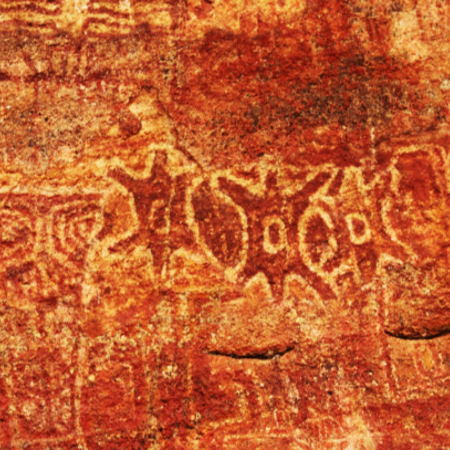
Painted Rock Shelter
The Painted Rock Shelter, located near Isko village in Napo Panchayat about 32 km west of Hazaribagh in Jharkhand, is one of the region’s most remarkable prehistoric heritage sites. The shelter is renowned for its enigmatic abstract and geometrical rock paintings making it a rare and visually striking site.
The sandstone shelter, locally known as Kohbar, stands nearly 20 feet high and is divided into four interconnected sections. Its painted surface stretches about 30.5 metres in length and 2.25 metres in height. The artworks, created in ochre, white, and black pigments, depict animals such as bison, buffalo, deer, frogs, turtles, rhinoceros, wild cattle, human figures, concentric circles, and cryptic pictograms. Situated between the village and the surrounding forest near the Dudhi Nala stream, the shelter continues to influence the artistic traditions of the local ethnic communities whose mural paintings resemble the motifs seen at the site. Archaeological findings, including handaxes, choppers, microliths, blades and scrapers suggest that the site belongs to the Meso-Chalcolithic period, though some scholars date it to the Middle Palaeolithic.
Temples
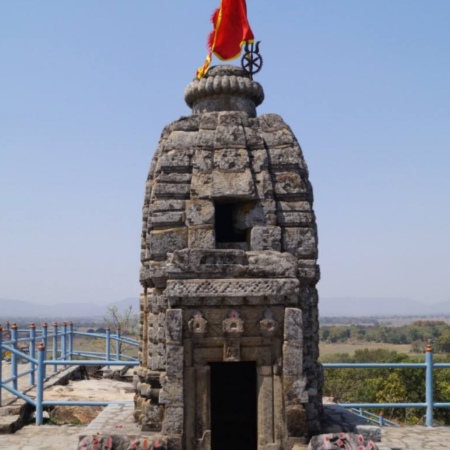
Ancient Stone Temple with a small Siva-linga inside
Located on a granite hill in Khekparta village of Lohardaga district, Jharkhand, this ancient Shiva temple dates to the 9th–10th century CE. Built in the Kalinga or Nagara style of Odisha architecture, the small stone shrine stands directly on the hill surface without a foundation. The temple has a triratha plan, an east-facing narrow entrance, and a sanctum containing a Shivalinga. Its shikhara is crowned with an amalaka, a disc-shaped architectural element symbolizing the path to heaven. About 117 steps lead to the temple, offering scenic views of the surrounding greenery, hills, and ponds. Recent excavations at the base of the hill uncovered several smaller shrines, many also dedicated to Shiva, reflecting the region’s long-standing Shaivite tradition.
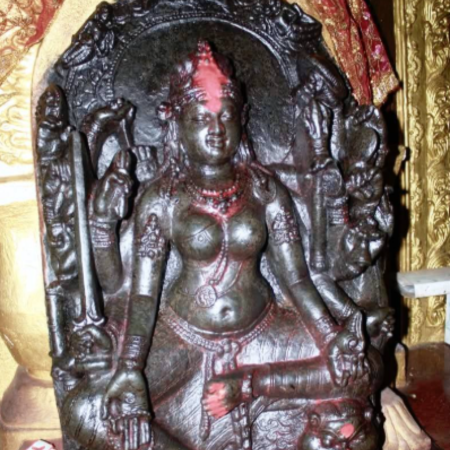
Haradih Temples
The ancient temple complex at Haradih, located on a mound along the banks of the Kanchi River in Bundu block of Ranchi district, Jharkhand is an important archaeological and spiritual site dating back to 9th–10th century CE. The site preserves remnants of several stone and brick temples, with two partially standing Rekha Deul-style temples still surviving. Built mainly of granite and basalt stone, these temples retain key architectural elements such as the bada (foundation), gandi (curving spire), and mastaka (head). A major attraction of the site is the beautifully carved sixteen-armed image of Mahisasuramardini Durga made of black stone, now housed in a newly built temple. Another eight-armed image of the goddess is preserved inside the older shrine. Archaeological excavations conducted in 2014–15 uncovered several Shivalingas and architectural remains, indicating the presence of a larger temple complex in earlier times.
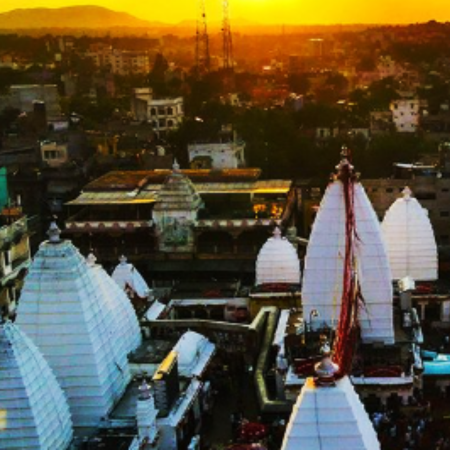
Baidyanath Temple
Baba Baidyanath Dham, located in Deoghar, is one of the twelve sacred Jyotirlingas of Lord Shiva in India. Revered as a major pilgrimage site in Shaivism, the temple complex includes the main shrine of Baba Baidyanath along with 21 subsidiary temples. Built in traditional North Indian architectural style, the temple features a prominent spire and intricate carvings with the Jyotirlinga enshrined in the sanctum sanctorum. The temple attracts millions of devotees, especially during the Shravan month (July–August) and the Kanwar Yatra, when pilgrims carry holy Ganges water for offering. Historical references trace the temple’s origins to the 8th century AD, with later contributions by Raja Man Singh of Amber. The Matsya Purana further elevates its sanctity naming the land ‘Arogya Baidyanathitee’ – a place where Shakti and Shiva unite to bring healing to the world.
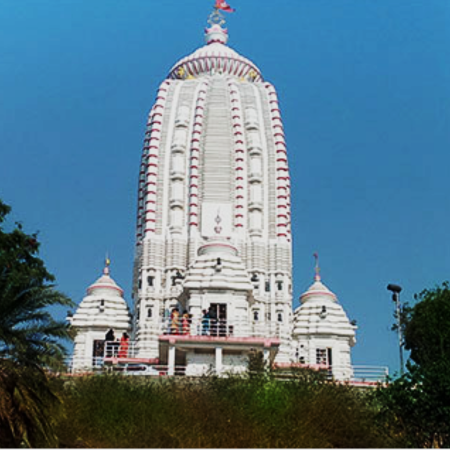
Jagannath Temple
The Jagannath Temple is a 17th-century temple dedicated to Lord Jagannath, located atop a small hillock in Dhurwa near HEC in Ranchi. Built in 1691 by Thakur Ani Nath Shahdeo from the Nagvanshi dynasty, the temple’s architecture closely resembles the famous Jagannath Temple of Odisha. Known for its serene surroundings and spiritual atmosphere, the temple attracts lakhs of devotees every year especially during the grand Rath Yatra festival held in June-July. The temple complex also houses a large hall where thousands of marriages are solemnized annually, making it an important cultural and religious landmark of Ranchi.
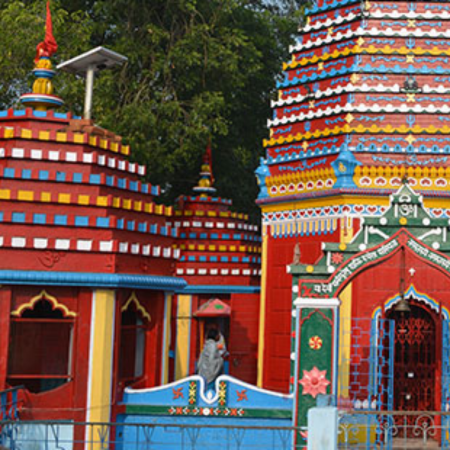
Rajrappa Temple
The Rajrappa Temple, also known as the Chhinnamastika Temple, is a premier centre for Shakti worship in Eastern India. Situated at the confluence of the Damodar and Bhera rivers in Ramgarh district, the temple is dedicated to Maa Chhinnamastika whose unique headless idol symbolizes divine power and spiritual energy. Mentioned in the ancient Vedas and Puranas, the temple attracts devotees from across the country throughout the year, especially during Full Moon, New Moon, and festive occasions. The temple complex also houses shrines dedicated to Lord Shiva, Goddess Kali, and the Sun God, and its architecture resembles the famous Kamakhya Temple of Assam. Surrounded by lush forests and a majestic waterfall, Rajrappa is a unique blend of intense spiritual energy and natural beauty.
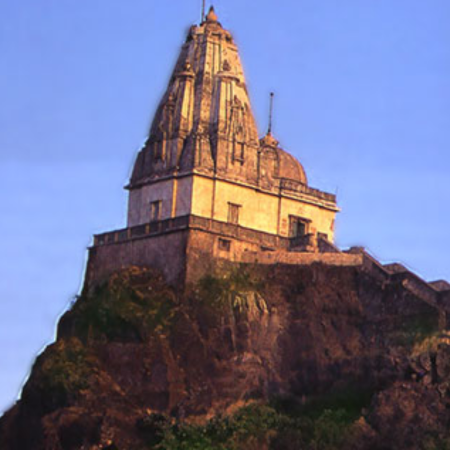
Parasnath Temple
Located near Giridih in Jharkhand, Parasnath Hill is the highest peak in the state. Revered as one of the most sacred pilgrimage destinations in Jainism, the hill is also known as Shikharji and attracts thousands of devotees and travellers from around the world each year. According to Jain beliefs, 20 of the 24 Jain Tirthankaras attained salvation (moksha) on Parasnath Hill, including Parsvanath, after whom the hill is named. Numerous shrines and temples locally known as tuks or gumtis are dedicated to these revered spiritual leaders, making the site deeply significant for Jain followers.
Among the notable temples is the historic Bageecha Temple, believed to be over 300 years old. The temples feature beautifully carved stone sculptures and peaceful surroundings that enhance the spiritual atmosphere of the hill. Some shrines are believed to date back more than 2,000 years, highlighting the ancient religious importance of the region. The indigenous Santhal community also worships the hill as Marang Buru (“Great Mountain”) and celebrates a traditional hunting festival here during the full moon of Baisakh (April).
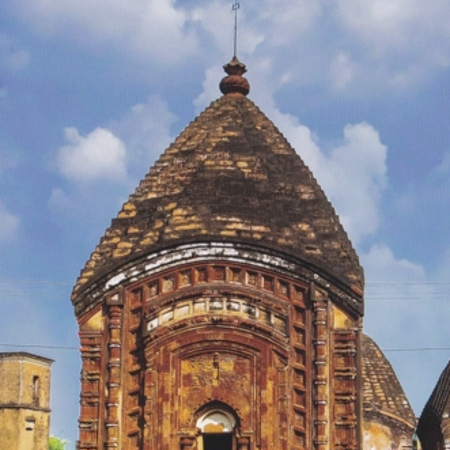
Maluti Temple Complex
Located about 55 km from Dumka, Maluti is a remarkable heritage village renowned for its exquisite terracotta temples and rich cultural legacy. Once known as Gupta Kashi or “Hidden Varanasi”, the village originally housed 108 temples of which around 72 still survive today. Nestled on the banks of the Chila River amid forests, hillocks, and rivulets, Maluti offers a unique blend of spirituality, history, and architectural beauty.
The temples were built between the 17th and 18th centuries by the descendants of Basanta Roy, founder of the tax-free Nankar Raj, who chose to build temples instead of palaces. Crafted by skilled artisans from Bishnupur (West Bengal), the temples are adorned with intricate terracotta carvings depicting scenes from the Ramayana and other Hindu traditions. At the heart of Maluti lies the ancient Maulikshya Temple dedicated to Goddess Maulikshya, the presiding deity of the royal dynasty. Revered as a powerful spiritual center, the temple is closely linked with the traditions of nearby Tarapith and the mystic saint Bamakhyapa. Recognized for its cultural importance, Maluti has been listed among the world’s endangered heritage sites by the Global Heritage Fund, making it one of Jharkhand’s most treasured historical destinations.
GI-Tagged Handicraft
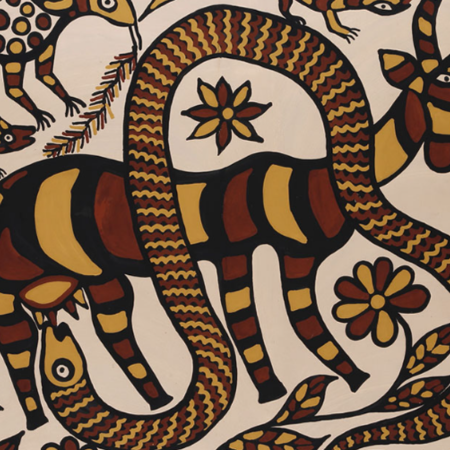
Sohrai – Khovar Painting
Sohrai-Khovar is a traditional mural art practiced by tribal women in the Hazaribagh region of Jharkhand. Created using natural colours derived from local soils and minerals, these paintings feature geometric patterns, floral motifs, animals, and nature-inspired forms. Traditionally painted on mud walls during harvest festivals and marriage ceremonies, they reflect the rich cultural heritage and artistic creativity of Jharkhand’s tribal communities. Today, Sohrai-Khovar art adorns public spaces such as Birsa Munda Airport, railway stations, flyovers, and government buildings across the state. Despite its cultural significance, this unique indigenous art form faces challenges from rapid industrialization and globalization, making its preservation and revival increasingly important.
Cuisine
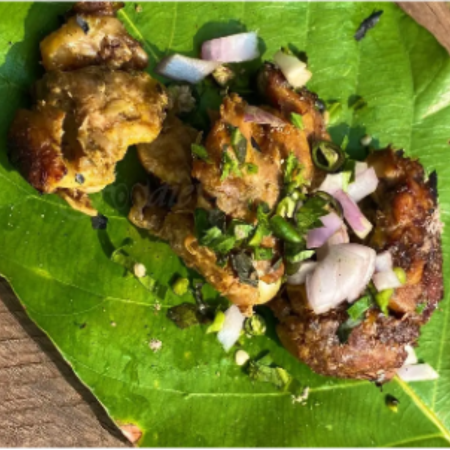
Desi Chicken and Mutton Curry
Marinated chicken wrapped in sal leaves with partially cooked rice, and slow-cooked over a wood fire develops a smoky, earthy flavour enhanced by the leaves’ natural oils. The traditional preparation reflects the community’s deep connection with nature.
Deoghar’s local mutton curry, slow-cooked in pure desi ghee with freshly ground spices in an iron pan, is rich, aromatic and deeply flavourful. Best enjoyed with steamed rice or parathas, it is a signature dish of the region.
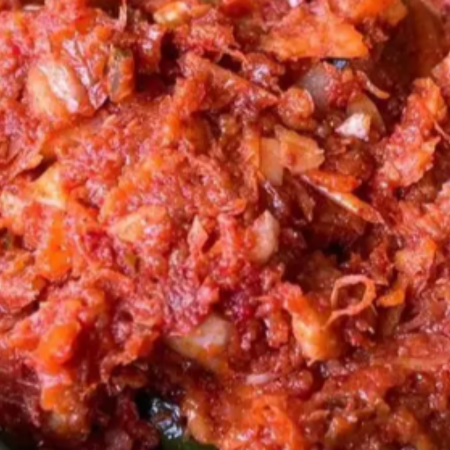
Demta Chutney
A traditional delicacy of Singhbhum, Demta Chutney is prepared using red ants and their eggs, blended with garlic, spices, and salt for a tangy, spicy flavour. Valued for its high protein content and medicinal benefits, it is believed to aid digestion and strengthen immunity. Freshly prepared in tribal villages, this unique chutney showcases the region’s rich indigenous food culture and culinary creativity.
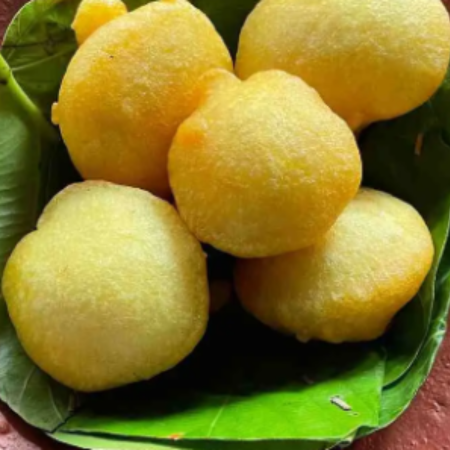
Dhuska
A popular street food from Gumla and Lohardaga, Dhuska is a savoury pancake made from a batter of soaked rice and lentils, seasoned with cumin and green chilies, then deep-fried until crisp and golden. Rich in protein and energy, it is often enjoyed with ghugni, a hearty curry of black gram or white peas cooked with onions, garlic, and aromatic spices. Sometimes prepared with mashed potatoes for added softness, Dhuska is best relished hot with spicy green chutney for the perfect crunchy bite.
Pithas
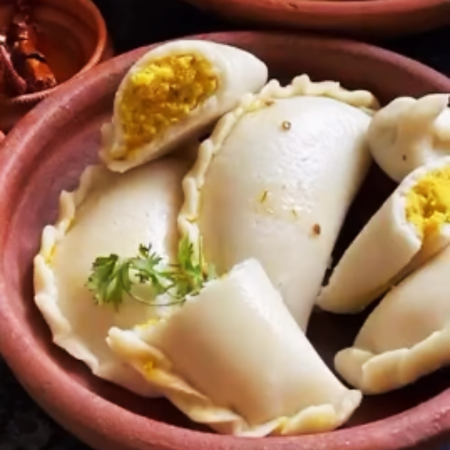
A cherished traditional delicacy from the villages of Chaibasa, Pitha is prepared from soft rice flour dough filled with sweet jaggery and grated coconut, then gently steamed over banana leaves. Nutritious and comforting, the dish is especially popular during harvest festivals like Sohrai, symbolising togetherness and celebration in rural Jharkhand. A savoury variation, Dal Pitha, is stuffed with a spicy, protein-rich lentil filling and served with tangy tomato chutney, creating a perfect balance of flavour and texture.

Bans Karil
A traditional delicacy of Jharkhand, Bans Karil is prepared from tender bamboo shoots that are carefully harvested, peeled, and sliced before being boiled or fermented. Cooked with mustard seeds, green chilies, and mustard oil, the dish has a tangy flavour and a satisfying crunch. Naturally rich in dietary fibre and essential nutrients, bamboo shoots are a staple ingredient in the region and are used in a variety of local recipes.
Dumbu
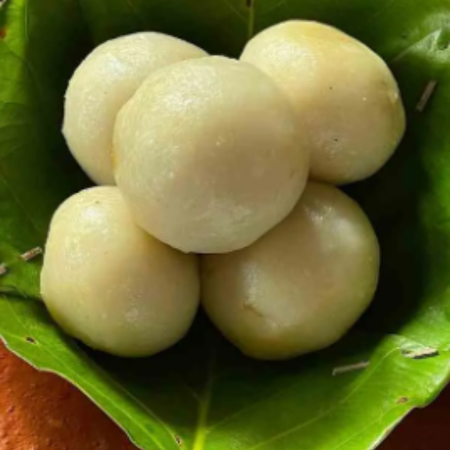
A traditional sweet delicacy popular among the tribal communities, Dumbu is made from rice flour, jaggery, and cardamom. Soft rice flour dough is filled with a fragrant jaggery-cardamom mixture, shaped into dumplings, and gently steamed on banana leaves, giving it a delicate earthy aroma. Mildly sweet and comforting, Dumbu is often prepared during festivals and community gatherings, reflecting Jharkhand’s simple yet rich culinary heritage and close bond with nature.
Rugra Mushroom
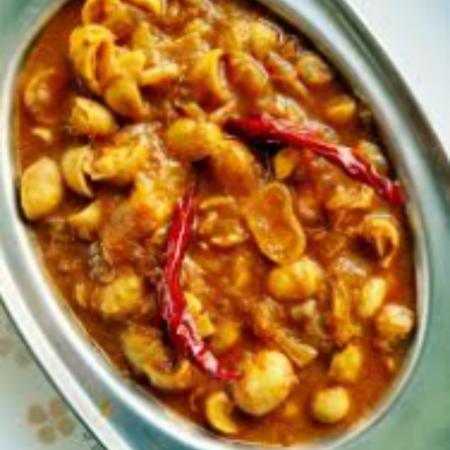
A prized seasonal delicacy from the forests of Gumla and Latehar, Rugra mushrooms appear during the monsoon and are carefully foraged by tribal communities. Known for their rich, earthy flavour and meaty texture, these indigenous mushrooms are often cooked in mustard oil with onions, garlic, and tomatoes to create a rustic and aromatic dish. They are rich in protein, minerals, vitamins and antioxidants, and are often compared to truffles for their distinctive flavour. This local favourite is commonly enjoyed with the traditional Chilka Roti (made by soaking and grinding rice and chana dal into a smooth, pourable batter; similar to a thin dosa or crepe).